The Shenandoah Valley has hundreds of miles of trail, but a handful of hikes consistently top every local's list. These are ten that locals actually recommend — sorted from easy family loops to full-day backcountry pushes — with mileage, elevation gain, and what makes each one worth the effort. Below them you'll find the valley-floor walks that don't require driving up the mountain at all.
Easy (under 2 miles, family-friendly)
1. Limberlost Trail — 1.3 mi loop
Fully accessible (paved and boardwalk), in the Central District near Skyland. Perfect for strollers, wheelchairs, and a first taste of the park.
2. Stony Man — 1.6 mi round-trip
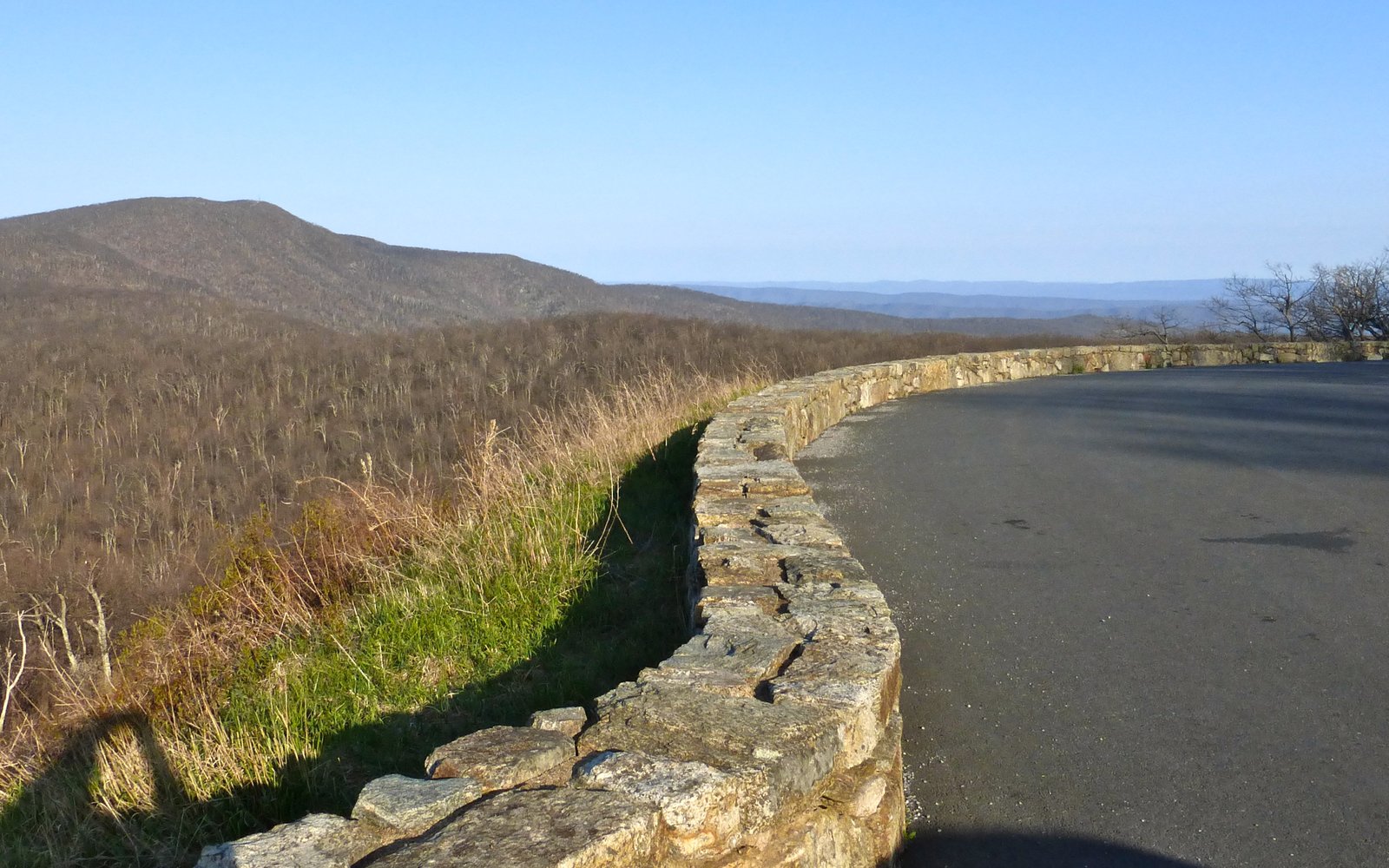
Skyline Drive mile 41.7. Big payoff for the effort — second-highest peak in the park.
3. Blackrock Summit — 1 mi loop
South District quartzite boulder field. Great for kids old enough to scramble.
Moderate (2 – 5 miles)
4. Dark Hollow Falls — 1.4 mi out-and-back
70-foot waterfall with a steep return climb. Skyline Drive mile 50.7.
5. Hawksbill Summit — 2.9 mi loop
Highest point in Shenandoah NP at 4,051 ft. 360° summit views.
6. Bearfence Mountain — 1.2 mi
Short rock scramble with full 360° views. One of the best effort-to-payoff hikes in the park.
7. Compton Peak — 2.4 mi round-trip
Quieter North District summit with a famous columnar basalt formation.
Strenuous (5+ miles, full day)
8. Old Rag Mountain — 9.4 mi circuit
The most famous hike in the Mid-Atlantic. The rock scramble section requires hands. Day-use ticket required March–November.
9. Whiteoak Canyon to Cedar Run — 7.3 mi loop
Six waterfalls, swimming holes, and a 2,000 ft descent plus climb. Hard on the knees but spectacular.
10. Riprap–Wildcat Ridge — 9.8 mi loop
Backcountry feel in the South District. Two ridge runs, a creek crossing, and Cold Spring at the midpoint.
Trailheads in our directory
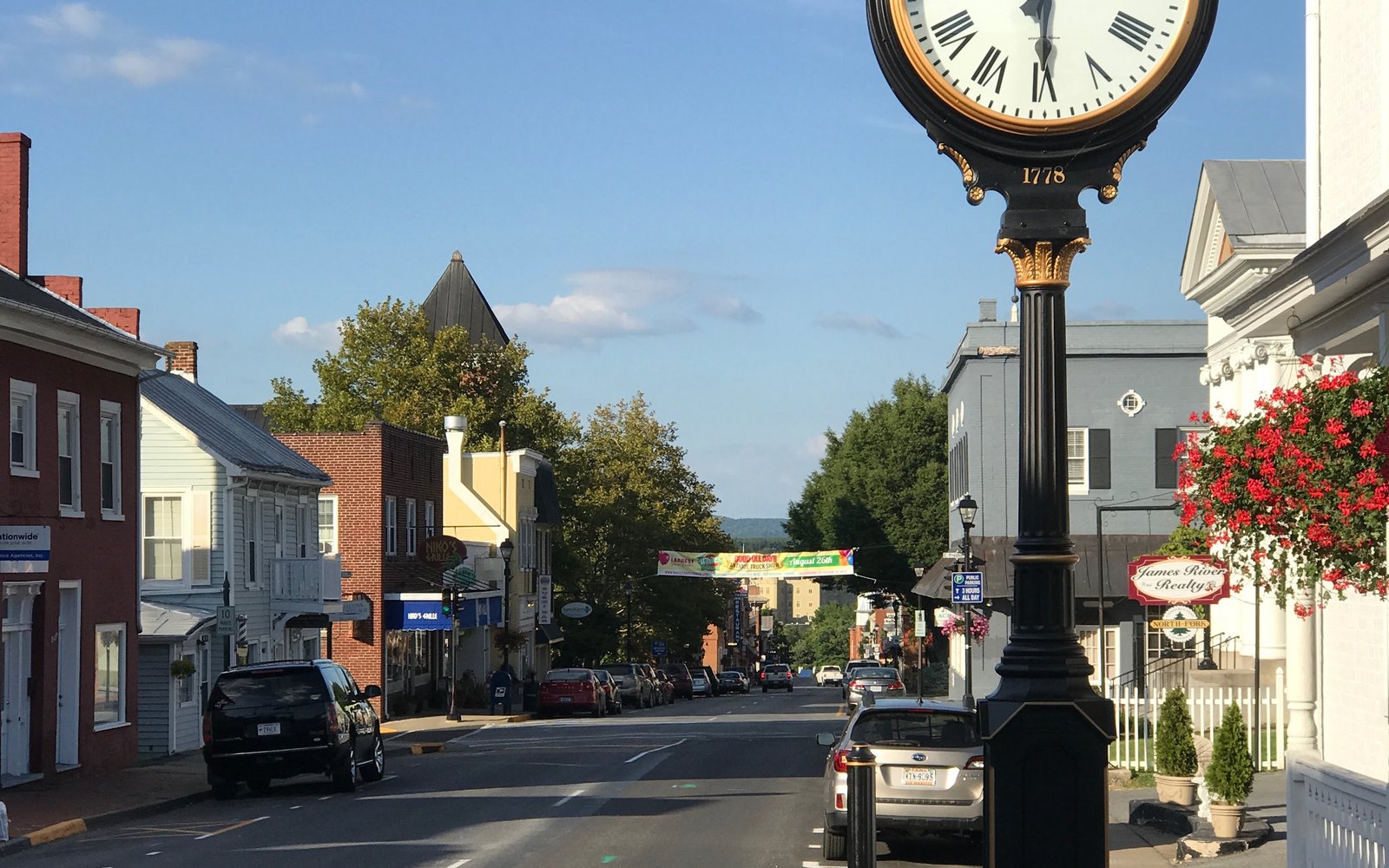
Valley-floor walks that don't need the park
If you don't want to pay the park fee, drive the mountain, or hike anything steep, these are flat, free, and close to town.
Before you go
- Every trailhead on Skyline Drive requires the park pass — $30 per vehicle for seven days, or the $80 America the Beautiful annual pass.
- Old Rag needs a separate $1 day-use ticket from March 1 through November 30, reserved at recreation.gov. They sell out on nice weekends.
- Central District parking (Old Rag, Whiteoak, Dark Hollow, Hawksbill) fills by 9 a.m. on summer and fall weekends. Start early or go south.
- Black bears are common and generally uninterested in you. Make noise, don't leave food out, and never get between a sow and cubs.
- Cell service is unreliable across most of the park. Download offline maps before you leave town.
- Water: carry at least two liters per person in summer. There are no reliable treated sources on trail.
- Dogs are allowed on most Shenandoah trails on a six-foot leash — one of the few national parks where that's true — but not on Old Rag's scramble or a short list of other routes.
Hiking by season
Spring brings wildflowers and full waterfalls but also mud and blowdowns; check park conditions after storms. Summer is hot and humid on the valley floor and 10–15 degrees cooler on the ridge, which is why locals hike high in July. Fall is the best hiking weather of the year and the most crowded. Winter strips the leaves and opens views that don't exist in summer — bring microspikes, because north-facing trails hold ice for weeks after the roads clear.
Frequently asked
What's the hardest hike in Shenandoah National Park?
Old Rag Mountain is the most demanding, with a 2,415-ft climb and a half-mile rock scramble that requires hands and good shoes. Whiteoak–Cedar Run is similar mileage with less technical scrambling but a brutal climb out.
What's the best easy hike in Shenandoah?
Stony Man (1.6 miles) gives the biggest reward for the smallest effort — a relatively flat walk to a 4,011-ft summit overlook. Limberlost is the choice if you need a fully accessible surface.
Do I need a permit to hike Old Rag?
Yes — a $1 day-use ticket is required from March 1 through November 30, in addition to the park entrance fee. Reserve at recreation.gov; they sell out on good weekends.
Are there hikes in the Shenandoah Valley outside the national park?
Plenty. Crabtree Falls, St. Mary's Wilderness, Douthat State Park, Seven Bends, and the Chessie Nature Trail are all outside the park, and most are free.
Can you hike with dogs in Shenandoah National Park?
Yes. Shenandoah is unusually dog-friendly for a national park — leashed dogs are allowed on most trails, with a short list of exceptions including the Old Rag scramble.
What's the best hike for a first-time visitor with kids?
Blackrock Summit or Bearfence — both are about a mile, both end in a big view, and both feel like a real adventure without a long climb.
When is the best time of year to hike in the Shenandoah Valley?
Late September through early November for the best weather and views, and April through May for wildflowers and full waterfalls. Summer hiking is best done above 3,000 feet or early in the morning.