The Shenandoah Valley's mountain streams stay cold enough to swim in well into August — usually mid-60s°F at the popular pools. The best swimming holes take some effort to reach, which keeps the crowds manageable on all but the hottest weekends. Here are the ones locals actually go to.
Easy access (short walks from parking)
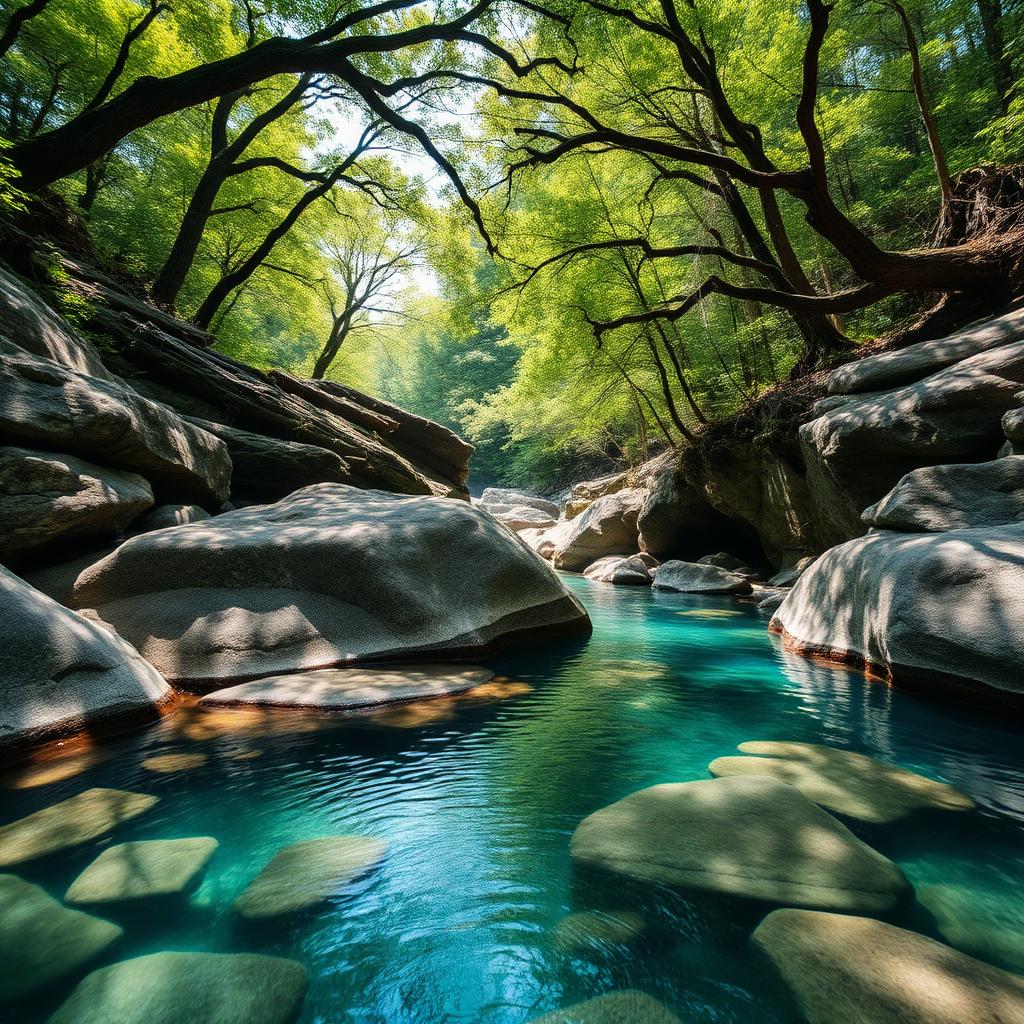
Blue Hole (St. Mary's Wilderness)
Deep, clear, mountain-stream pool on the St. Mary's River trail. About 1.5 miles in from the lower trailhead near Steeles Tavern. The water is cold and the surrounding rocks make a natural sun deck.
Compton's Hole (Shenandoah River, Bentonville)
A wide bend in the South Fork with a small sandy beach. Popular put-in for tubing trips and an easy-access swim spot — no hike required.
Sherando Lake (George Washington NF)
Family-friendly developed lake beach with lifeguards, picnic areas, and rental boats. $10 per vehicle. The closest thing the Valley has to a "beach day".
Worth the hike
Whiteoak Canyon Pools
A string of deep pools below the lower falls. Accessed from the Berry Hollow trailhead outside the park (about 2 miles in) — much shorter than dropping down from Skyline Drive. Free, no entrance fee from this side.
Cedar Run Swimming Hole
Cleaner and less crowded than its Whiteoak neighbor. Same Berry Hollow parking area, different trail. Multiple cascade-fed pools.
St. Mary's Falls
The 5.5-mile St. Mary's hike ends at a swimming hole below the falls. The most photogenic swim in the region.
Swim spots and access points in our directory
Outfitters if you'd rather float than swim
Rivers worth a float
- South Fork Shenandoah — outfitters in Bentonville, Luray, and Front Royal rent tubes, kayaks, and canoes for 3–6 hour floats.
- Maury River (Goshen Pass) — short, scenic, mountain-fed. Pull-offs along Route 39 west of Lexington access deep pools.
- Cowpasture River — quieter and more remote than the Maury. Class I–II in spring; lazy floats by July.
- James River near Glasgow — wide and slow, the most forgiving water in the region for first-timers.
Water temperature and the season, honestly
Mountain-stream pools like Blue Hole and the Whiteoak cascades sit in the low-to-mid 60s°F even in July — cold enough that most people last a few minutes at a time, which is the point on a 92-degree day. The lakes are warmer and better for actual swimming: Sherando and Cave Mountain climb into the 70s by mid-summer. The Shenandoah River itself is the warmest of the three, and by August it can be low enough that a tube float turns into a walk in places.
Realistic season: Memorial Day through mid-September for lakes and river floats, late June through August for the cold mountain pools. Developed swim beaches generally staff lifeguards only in that summer window even when the gate stays open longer.
Swimming-hole etiquette and safety
- Never jump from rocks without scouting depth first. Levels change every spring.
- Mountain water is colder than you think. Acclimate slowly to avoid cramping.
- Pack everything out — these spots stay good only because users do.
- Many access points sit on private land or require leave-no-trace forest etiquette. Park only at designated pull-offs.
- Flash floods happen. If it's been raining upstream, skip the narrow canyon spots entirely.
- There are no lifeguards anywhere except the developed lake beaches. Swim with someone.
Frequently asked
Can you swim in the Shenandoah River?
Yes. The South Fork has dozens of public access points between Front Royal and Port Republic, and outfitters in Bentonville, Luray, and Front Royal rent tubes and kayaks for half- and full-day floats.
Is swimming allowed in Shenandoah National Park?
It isn't officially encouraged, but it isn't banned. The pools below Whiteoak Canyon, Cedar Run, and Doyles River falls are the most popular. Stay off the rock above the falls — slick algae causes fatalities almost every year.
When is Sherando Lake open?
Sherando Lake in the George Washington National Forest near Lyndhurst is open for lifeguarded swimming from roughly May through Labor Day, and year-round for hiking and fishing. There's a per-vehicle day-use fee.
Where can families swim in the Shenandoah Valley?
Sherando Lake and Cave Mountain Lake are the two best family options — sandy beaches, shallow entries, restrooms, and picnic areas. Mountain-stream holes like Blue Hole involve a hike and cold, deep water.
How cold is the water at Blue Hole?
Low-to-mid 60s°F through most of the summer. It's spring-fed mountain water, so it stays cold no matter how hot the day is.
Do you need a fee or permit to swim at these spots?
The national-forest lake recreation areas charge a modest day-use fee per vehicle. Wilderness swimming holes like Blue Hole and St. Mary's Falls are free, and Skyline Drive trailheads require the $30 park pass.