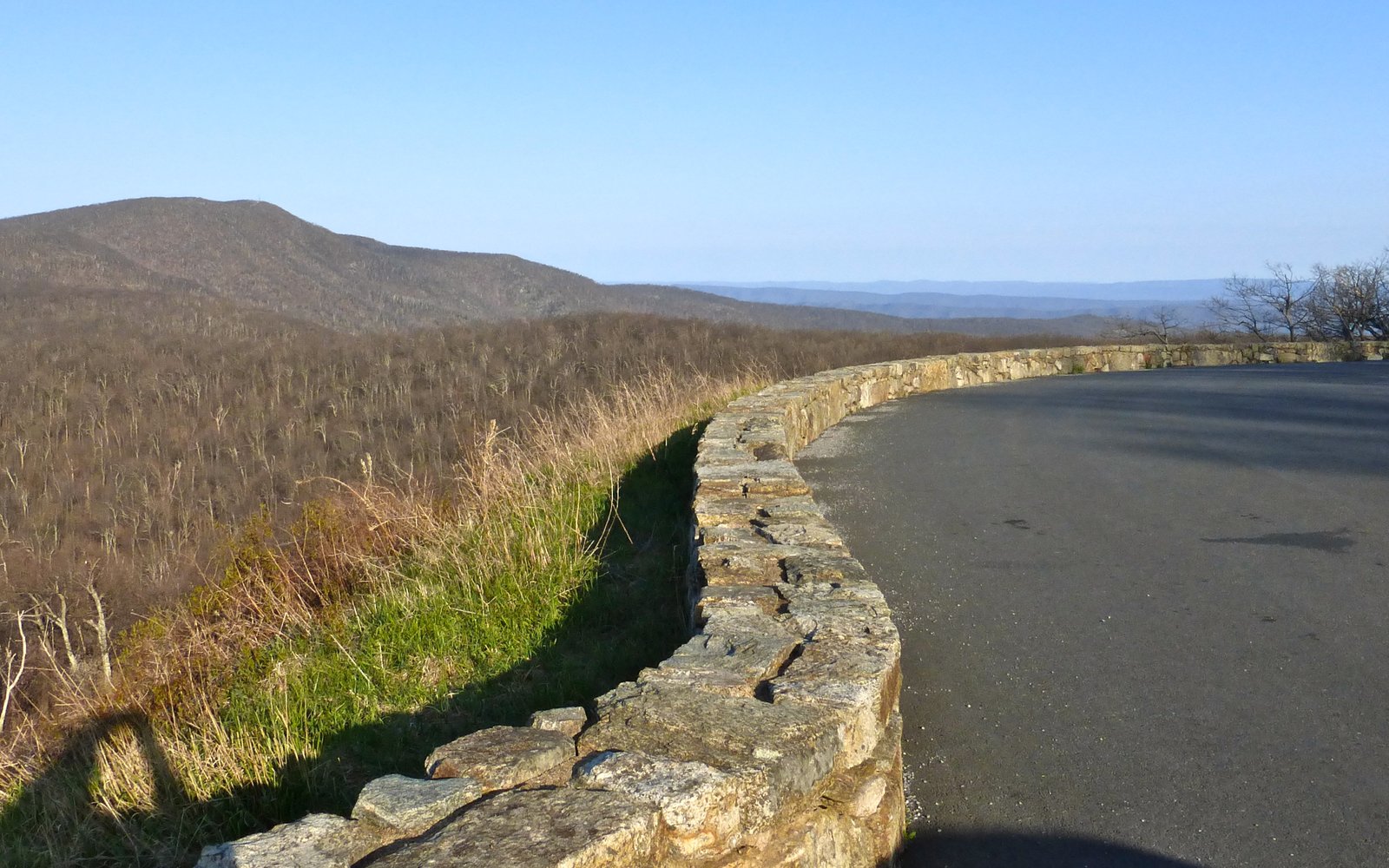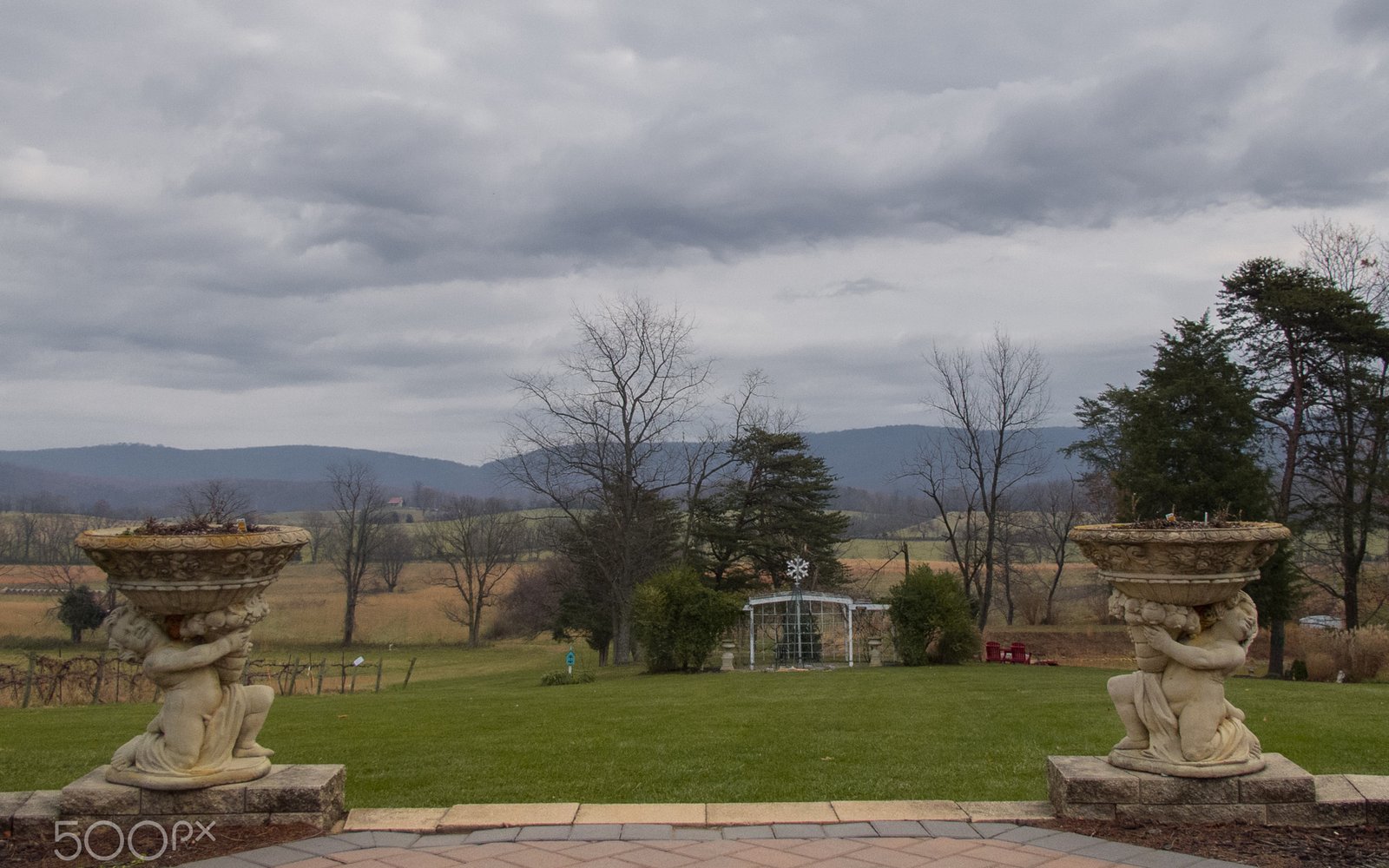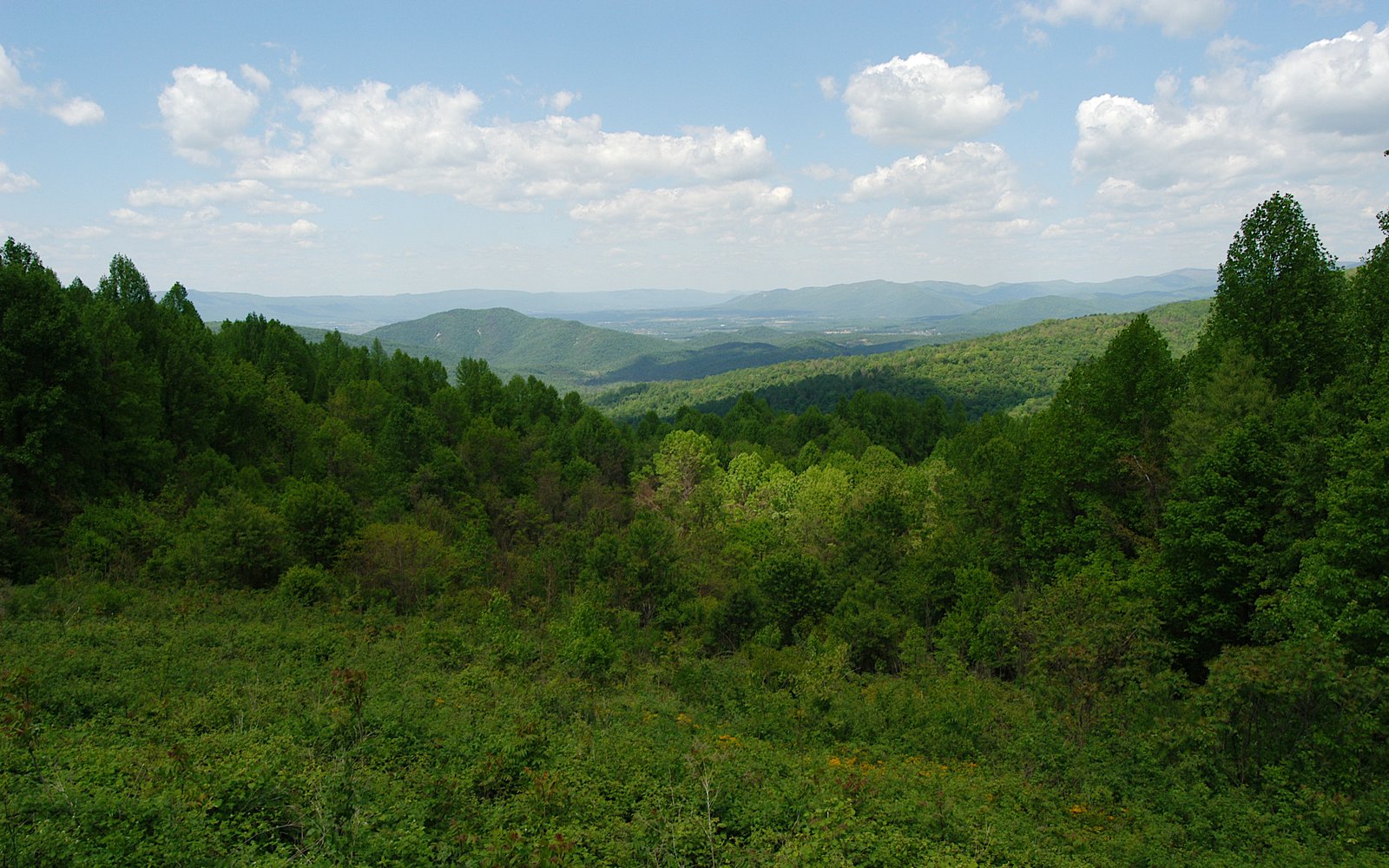
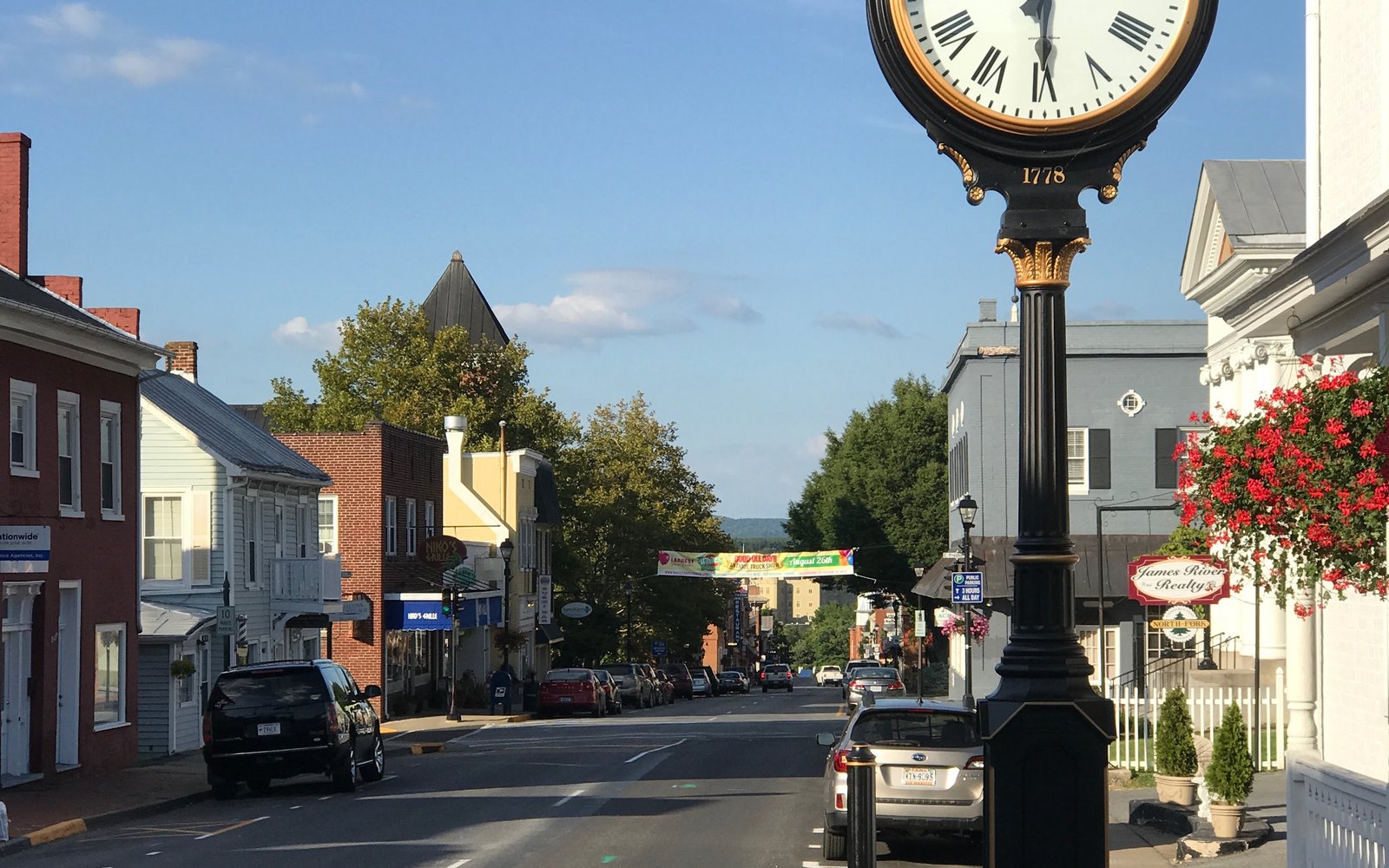
The Shenandoah Valley runs about 200 miles between the Blue Ridge and the Allegheny Mountains. It's known for the national park, but the day-to-day appeal is the mix — caverns and breweries one day, a quiet town and a covered bridge the next. Here's what consistently makes a good Valley day, grouped by what you're in the mood for, with links to every place in our directory.
For first-time visitors
If you only get one trip, these are the five that define the region.
Outdoor day trips
Food, drink, and main streets
Harrisonburg and Staunton are the two downtowns worth planning a day around; Winchester and Lexington are close behind.
Dayton Farmers Market, south of Harrisonburg, is the other reliable food stop — an indoor market of Mennonite bakers, butchers, and produce vendors. See our farmers market guide for the full list of markets and their days.
Family and rainy-day ideas
History and small-town main streets
Seasonal picks
- Spring: wildflower hikes in the national park; apple-blossom drives near Winchester in late April.
- Summer: river floats from Luray or Front Royal, swimming at Sherando Lake, and downtown concert series in Staunton and Harrisonburg.
- Fall: foliage on Skyline Drive mid-to-late October, orchards and cider season, and Route 33 over the mountain when the park is jammed.
- Winter: skiing and tubing at Massanutten or Bryce, caverns at a constant 54°F, and theater in Staunton.
Anything with a fixed date — festivals, concerts, market days — shifts year to year. Check our events calendar for what's actually happening the weekend you're here.
How to structure a day here
The Valley rewards pairing one big anchor with two small ones. A cavern tour or a park hike fills the morning; a downtown, a tasting room, and dinner fill the rest. What doesn't work is chaining three towns — Winchester to Lexington is more than two hours, and I-81 traffic is real. Pick a segment of the Valley and stay in it.
- North (Winchester, Front Royal, Strasburg): Civil War history, orchards, cider, and the north park entrance.
- Central (Harrisonburg, Luray, Elkton): breweries, caverns, and the most direct access to Skyline Drive.
- South (Staunton, Waynesboro, Lexington): theater, museums, walkable downtowns, and the Blue Ridge Parkway.
Frequently asked
What is the Shenandoah Valley known for?
The Shenandoah Valley is best known for Shenandoah National Park, Skyline Drive, Luray Caverns, a string of historic small towns (Staunton, Lexington, Harrisonburg, Winchester), Civil War battlefields, and one of Virginia's strongest wine and cider regions.
How many days do you need in the Shenandoah Valley?
A long weekend covers a hike in the national park, one town day, and one food and wine day. A full week lets you slow down and see all four park districts plus the Lexington and Winchester ends of the Valley.
Is the Shenandoah Valley worth visiting?
Yes — especially if you want a less-crowded alternative to the Smokies, an easy drive from DC or Richmond, and a real mix of outdoor and small-town experiences.
What's the best base town in the Shenandoah Valley?
Harrisonburg is the most well-rounded — walkable dinner, four breweries, and 20 minutes from a park entrance. Staunton is best for theater and restaurants, Luray for park and cavern access, and Winchester for history and orchards.
What can you do in the Shenandoah Valley for free?
Skyline Drive costs money, but Reddish Knob, Goshen Pass, most battlefield walking trails, town parks like Gypsy Hill, the Chessie Nature Trail, and every covered bridge are free.
Do you need a car in the Shenandoah Valley?
Yes. There's no transit between towns and none into the national park. Individual downtowns — Staunton and Harrisonburg especially — are very walkable once you park.