The Shenandoah Valley sits on top of one of the richest karst landscapes in the eastern US, which is a fancy way of saying the limestone bedrock is full of caves. Six commercial show caves are open to the public along a 90-mile stretch of I-81, and every one stays a constant 54°F year-round — making caverns the Valley's best rainy-day, hot-summer, and middle-of-winter activity. Here's how they actually compare.
The six show caves, ranked by what you're after
Luray Caverns (Luray) — the headline
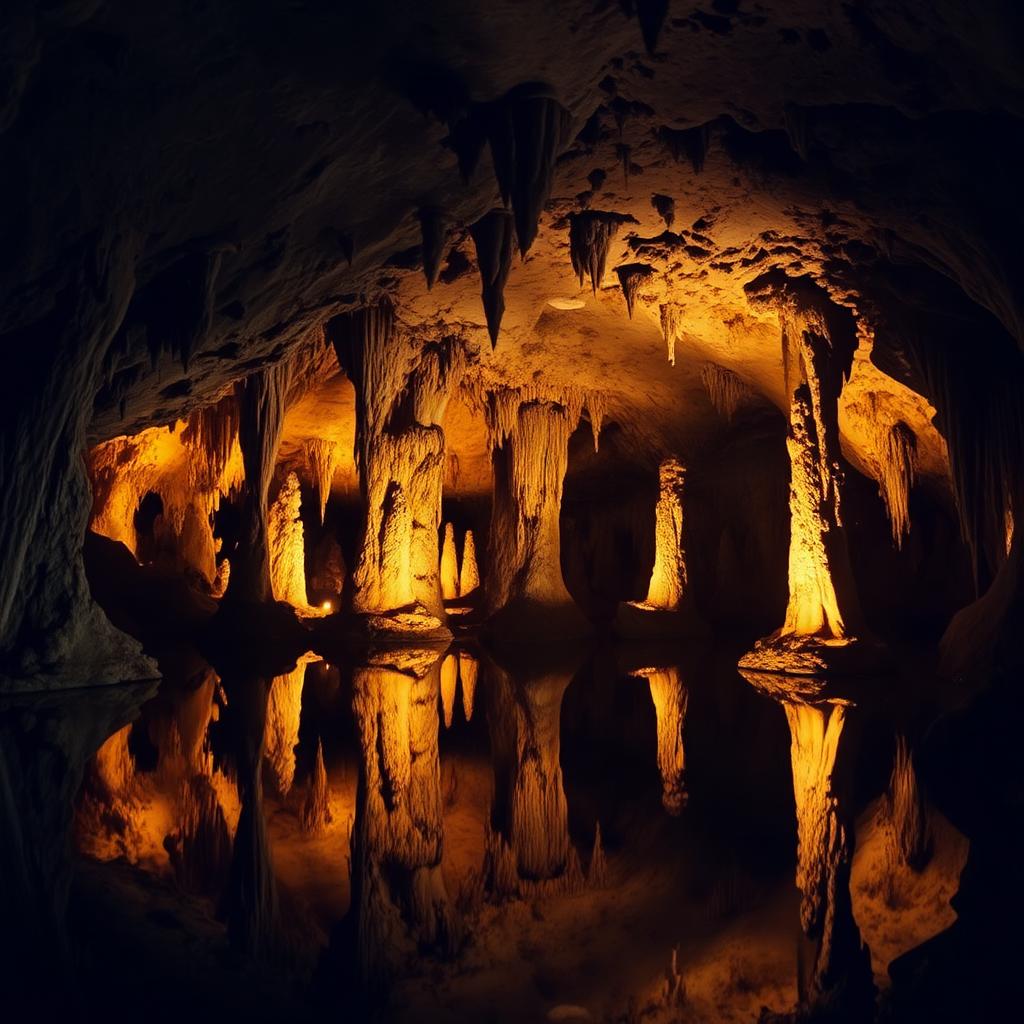
The largest cave system in the eastern US and a US Natural Landmark. The 1.25-mile paved tour passes Dream Lake, Saracen's Tent, and the Great Stalacpipe Organ — a working organ that strikes stalactites with rubber mallets. Tickets are the most expensive in the Valley (~$32 adult) but include the Car & Carriage Museum, Toy Town Junction, and a garden maze. Best for: first-time visitors, families, and anyone who only has time for one cave.
Endless Caverns (New Market) — for the geology
Smaller crowds and a guide-led 75-minute tour through chambers that are tighter and more dramatic than Luray. The lit formations feel less staged. Best for: a quieter, more guide-driven experience.
Shenandoah Caverns (Quicksburg) — for accessibility
The only cave in Virginia with elevator access — no stairs in or out — which makes it the most accessible option in the Valley. Combo ticket adds American Celebration on Parade (a quirky parade-float museum). Best for: visitors with mobility limitations, and grandparents-with-grandkids days.
Skyline Caverns (Front Royal) — for the anthodites
Famous for its rare anthodites — delicate white "orchid" formations that only grow here and in a handful of other caves worldwide. Smaller and more intimate than Luray. Convenient first stop heading south from DC. Best for: a geology-curious add-on to a Shenandoah NP trip.
Grand Caverns (Grottoes) — the oldest
America's oldest continuously operating show cave, open since 1806. Thomas Jefferson and Stonewall Jackson's troops both signed the walls (their signatures are still visible). The above-ground park is the bonus — picnic areas, swimming, and the Madison Run hiking trail. Best for: history-minded visitors and combined picnic days.
Dixie Caverns (Salem)
Smallest and southernmost in the region, near Roanoke. Worth a stop if you're already on I-81 south, but not a destination on its own.
Every show cave in our directory
Tap through for hours, location, and current details on each.
Endless Caverns near New Market rounds out the region's show caves; check its current operating schedule directly before planning around it.
Museums and add-ons included with your ticket
Several caverns bundle above-ground attractions, which is what turns a 75-minute tour into a half day.
How to pick if you only have time for one
- First-time visitor with kids → Luray. Worth the price for the scale.
- Mobility limitations → Shenandoah Caverns (elevator access).
- History buff → Grand Caverns.
- Driving down from DC → Skyline Caverns (Front Royal, fast off I-66).
- Already headed to Lexington or Roanoke → Caverns at Natural Bridge, paired with the arch.
Why the Valley has so many caves
The floor of the Shenandoah Valley is built on limestone and dolomite laid down when this was a shallow sea, hundreds of millions of years ago. Slightly acidic groundwater dissolves those carbonate rocks along cracks and bedding planes, hollowing out passages over geologic time. That's karst terrain, and it's why the Valley also has sinkholes, disappearing streams, and hundreds of springs. The formations inside — stalactites from the ceiling, stalagmites from the floor, flowstone down the walls — are the same process running in reverse, with dissolved calcite redepositing a fraction of a millimeter at a time.
One practical consequence: cave formations grow slowly enough that a broken one is effectively permanent. That's why every tour tells you not to touch — skin oils alone stop a formation from growing.
Practical tips for any cave
- Bring a light layer — 54°F feels cold after walking in from a 90°F summer afternoon.
- Wear closed-toe shoes with grip. Cave floors are wet, and the handrails are the only thing between you and a slick spot.
- Strollers don't work in most caves. Bring a soft carrier for babies.
- Buy tickets online for Luray on summer weekends — walk-up lines can exceed 30 minutes.
- Photography is allowed without flash in most caves, and flash is pointless against the installed lighting anyway.
- Most tours run 60–75 minutes with no bathroom inside. Go before you descend.
Making a full day of it
A cavern tour rarely fills more than half a day, and each of these sits near an obvious pairing. Luray is 10 minutes from the Thornton Gap entrance to Skyline Drive and a short walk from downtown Luray's restaurants and brewery. Grand Caverns comes with a town park in Grottoes — picnic shelters, a pool, and the Madison Run trail into the national forest. Skyline Caverns is minutes from Front Royal's Main Street and the north park entrance. Shenandoah Caverns sits just off I-81 near New Market's Civil War battlefield.
Frequently asked
How many caverns are in the Shenandoah Valley?
Six commercial show caves are open along the Valley: Luray, Endless, Shenandoah, Skyline, Grand, and the Caverns at Natural Bridge. Hundreds of wild caves also exist but require permits and caving experience.
Which cavern in the Shenandoah Valley is the best?
Luray Caverns is the largest and most famous, and the default pick for first-time visitors. Grand Caverns is best for history, Shenandoah Caverns is the most accessible with elevator entry, and Skyline Caverns has formations you can't see anywhere else.
How long is the Luray Caverns tour?
The self-paced walking tour covers about 1.25 miles and takes most visitors 60–90 minutes. Admission also includes the Car & Carriage Caravan Museum and the property's other small museums.
Are Shenandoah Valley caverns open in winter?
Yes — every show cave holds a constant 54°F year-round and operates daily except a few major holidays. Winter is one of the best times to go: smaller crowds and the temperature actually feels mild.
Are the caverns wheelchair accessible?
Shenandoah Caverns is the most accessible, with elevator access and no stairs. Luray's paved path is largely accessible with some grades. Grand Caverns, Skyline, and Natural Bridge involve stairs and tighter passages.
How much do Shenandoah Valley cavern tickets cost?
Roughly $25–$36 for adults depending on the cave, with child pricing usually about half. Luray is the most expensive and bundles several museums; the smaller caves are cheaper and quicker.
Which cavern is best with young kids?
Luray, for the paved path, wide passages, and the garden maze and museums on the property. Grand Caverns is the runner-up because you can follow the tour with a park picnic and playground.