
New Virginia ABC Laws Just Made Life Easier for Shenandoah Valley Distilleries and Restaurants
Four alcohol-law changes took effect July 1 — doubled distillery tasting pours, a fairer MBAR ratio for restaurants, ABC-store tastings, and lighter wholesale penalties. Here's what it means for the Valley.
Four new alcohol laws took effect across Virginia on July 1, and while the headlines came out of Richmond, the practical wins land squarely on our side of the Blue Ridge. For the tasting rooms tucked into Rockingham County pastures, the mixed-beverage restaurants along Court Square in Harrisonburg, and the distilleries drawing weekend crowds to Rockbridge and Shenandoah counties, this is the friendliest update to the Virginia ABC code in years.
Here's what changed — and why it matters for the places you already love in the Shenandoah Valley, and the ones still figuring out whether they can afford to open here.
Distilleries can now pour a real tasting flight
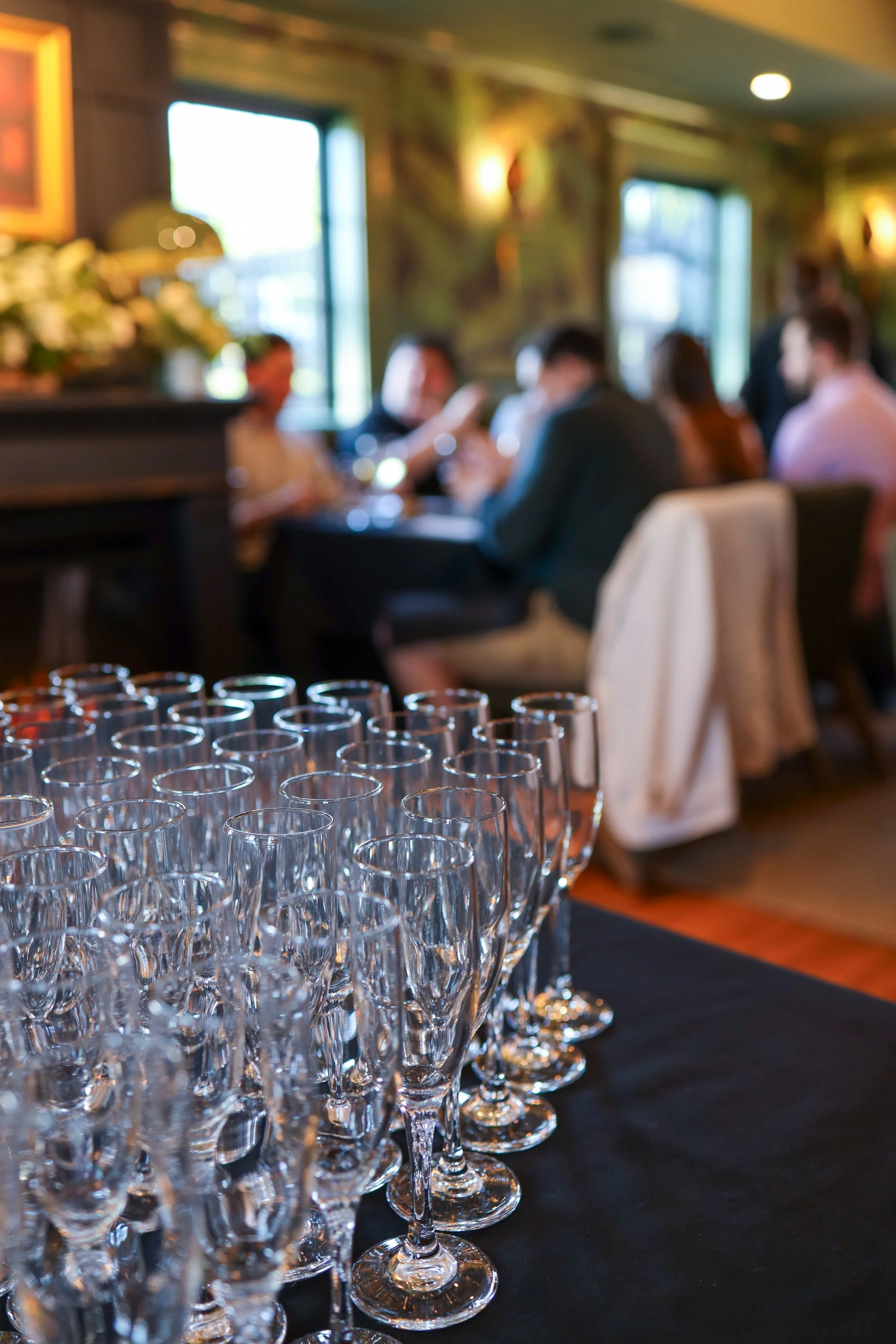
The biggest headline for the Valley: SB 424 doubles the amount of spirits a distillery can serve on-site, from three ounces to six ounces per customer per day.
Three ounces is essentially three small tastes. Six ounces is a proper flight, a signature cocktail, or a cocktail and a taste of the barrel-proof pour the distiller is excited about. For Shenandoah Valley distilleries — think the farm-based operations along Route 11, the craft rye and bourbon makers in the northern Valley, and the apple-brandy producers working with local orchards — this is the difference between a five-minute stop and a real destination experience.
It also nudges the visitor economy in a healthy direction. Guests who linger buy bottles. They buy merch. They stay for lunch. And under the same bill, distilleries serving spirits on-site now have to make food "reasonably available," which the law explicitly says can come from a food truck (or, cheekily, from the customer's own picnic basket). That's a practical rule written for exactly the kind of small, agricultural distillery the Valley is full of — the ones that don't have a kitchen but do have a gravel lot big enough for the Wednesday-night taco truck.
Expect to see more food-truck partnerships and rotating pop-ups at Valley distilleries this summer as a direct result.
Restaurants get a fairer food-to-liquor ratio
The MBAR Ratio — Mixed Beverage Annual Review — is the rule that says a restaurant with a mixed-beverage license has to sell enough food relative to liquor to stay classified as a restaurant. For decades, that ratio has been a headache for smaller Valley spots and for any restaurant with a serious cocktail program.
HB 975 rewrites it in tiers:
- Restaurants selling $48,000 or more of food per month are no longer subject to the MBAR Ratio at all.
- Restaurants selling $25,000 to $48,000 of food per month, plus certain low-occupancy restaurants, drop to a 30% ratio (down from 45%).
- Everyone else stays at the current 45%.
For a Harrisonburg, Staunton, Lexington, or Winchester restaurant with a thoughtful bar program — the kind of place mixing seasonal cocktails with local rye — this removes a real disincentive to invest in the bar side of the house. It's also a quiet gift to smaller, low-occupancy spots: the neighborhood cocktail bar, the 30-seat chef-driven restaurant, the wine bar with a small food menu. Those are exactly the kinds of businesses we've been watching open (and, sometimes, close) across the Valley the last few years.
If you're a would-be restaurateur eyeing a storefront on Beverley Street or in downtown Harrisonburg, the math on a mixed-beverage license just got noticeably easier.
ABC stores can host their own tastings
HB 385 lets Virginia ABC staff run tastings at ABC stores — previously only suppliers could pour. It also clarifies what non-spirit products ABC stores can sell alongside liquor (think bitters, mixers, glassware, cocktail accessories).
For the Valley, that means the ABC stores in Harrisonburg, Staunton, Waynesboro, Winchester, and Lexington can start acting a little more like the specialty spirits shops in bigger cities: staff-led tastings, education around Virginia-made products, and a stronger tie-in to the local distilleries whose bottles are already on the shelf. Expect more visibility for Shenandoah Valley producers inside the state stores themselves.
Less punishing paperwork for wholesalers
SB 788 puts limits on penalties for late wholesale tax filings and requires Virginia ABC to build an online filing system for wholesale wine tax reports by January 1, 2027. Not the sexiest of the four, but a real help for Valley wineries and any distributor working with local producers.
The through-line
Read together, these four laws share a theme: Virginia is treating small, place-based alcohol businesses more like the tourism engines they actually are. Bigger tasting pours, fairer restaurant ratios, more flexible food rules, less punitive paperwork — every change lowers a friction point that hit small operators disproportionately hard.
That's meaningful in the Shenandoah Valley, where a huge share of our food-and-drink economy runs on exactly that scale: family distilleries, chef-owned restaurants, neighborhood cocktail bars, cideries doing double duty as event venues. The Valley didn't lobby for these bills specifically, but we're one of the regions with the most to gain from them.
Next time you're planning a weekend drive down Route 11 or booking a table at a spot with a serious bar program, you may notice — the pours are a little more generous, the food trucks are parked out back, and the person pouring your tasting flight is finally allowed to tell you the story of what's in the glass.
Reporting on the ABC changes originally by CBS 6 / WTVR Richmond. Analysis and Valley context by My Valley Day.
Reader comments (0)
Be the first to comment.